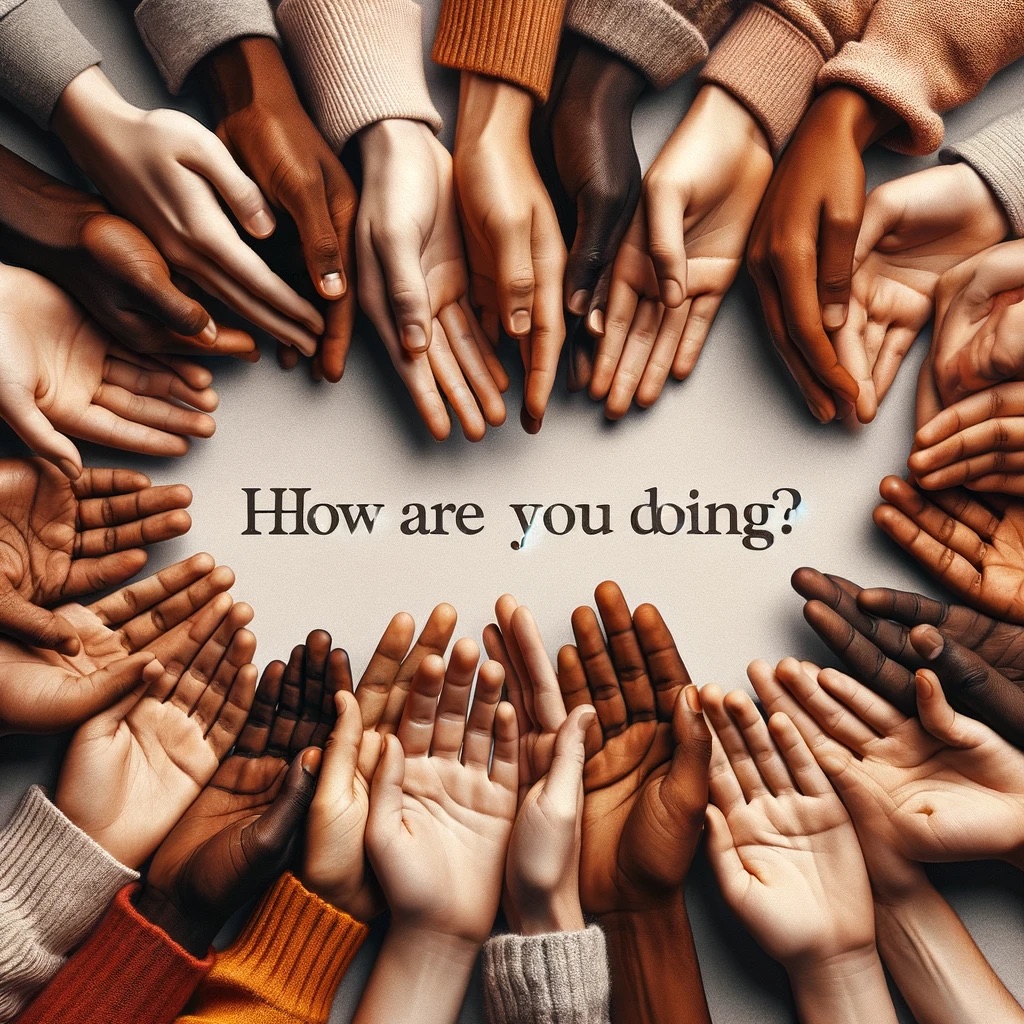
What could you let go of, for the sake of harmony?

For me it depends on the harmony and what sacrfice is being ask! Some times we need disharmony in order to have justice. Not all harmony is good harmony!
The question of whether harmony is worth a sacrifice is nuanced and deeply contextual. My thoughts highlights a crucial distinction: not all harmony is inherently good or just, and sometimes, achieving true justice requires embracing conflict or disharmony.
In many cases, the concept of harmony is associated with peace, balance, and a lack of conflict. This kind of harmony is often viewed positively, as it can lead to a more stable and cohesive society. Sacrifices made to achieve this form of harmony might involve compromising on personal desires, enduring short-term discomfort for long-term peace, or working towards mutual understanding and cooperation.
However, harmony that comes at the cost of justice or equality is problematic. Such harmony can perpetuate injustice, silence dissent, and maintain the status quo at the expense of marginalized groups. In these scenarios, the sacrifice required is often the suppression of legitimate grievances, the acceptance of inequitable systems, or the overlooking of systemic problems. This kind of harmony is superficial and unsustainable because it ignores underlying issues that, if left unaddressed, can lead to greater conflict and instability in the long run.
Consider historical and contemporary movements for social justice. The Civil Rights Movement, for example, disrupted societal harmony to confront and dismantle racial segregation and discrimination. The sacrifices made by activists and ordinary people—through protests, legal battles, and personal risks—were aimed at achieving a more profound and enduring harmony based on justice and equality.
In personal contexts, too, the sacrifice for harmony can sometimes mean compromising one’s values or well-being. If maintaining harmony in a relationship, family, or community means enduring abuse, discrimination, or significant personal loss, then such harmony is neither fair nor desirable.
Ultimately, whether harmony is worth a sacrifice depends on the nature of both the harmony sought and the sacrifice required. Genuine, equitable harmony that respects and uplifts all individuals is a worthy goal. Sacrifices made towards such harmony—like empathy, open dialogue, and cooperative problem-solving—are generally constructive. Conversely, harmony that requires sacrificing justice, equity, or personal integrity is not worth pursuing, as it fosters an environment of superficial peace that masks deeper, unresolved conflicts.
In summary, true harmony should aim for a balance where justice, equity, and mutual respect are integral. Sacrifices for such harmony are meaningful and necessary. However, harmony that comes at the cost of perpetuating injustice or silencing essential truths is ultimately detrimental and should be challenged.


 Transform
Leave a comment