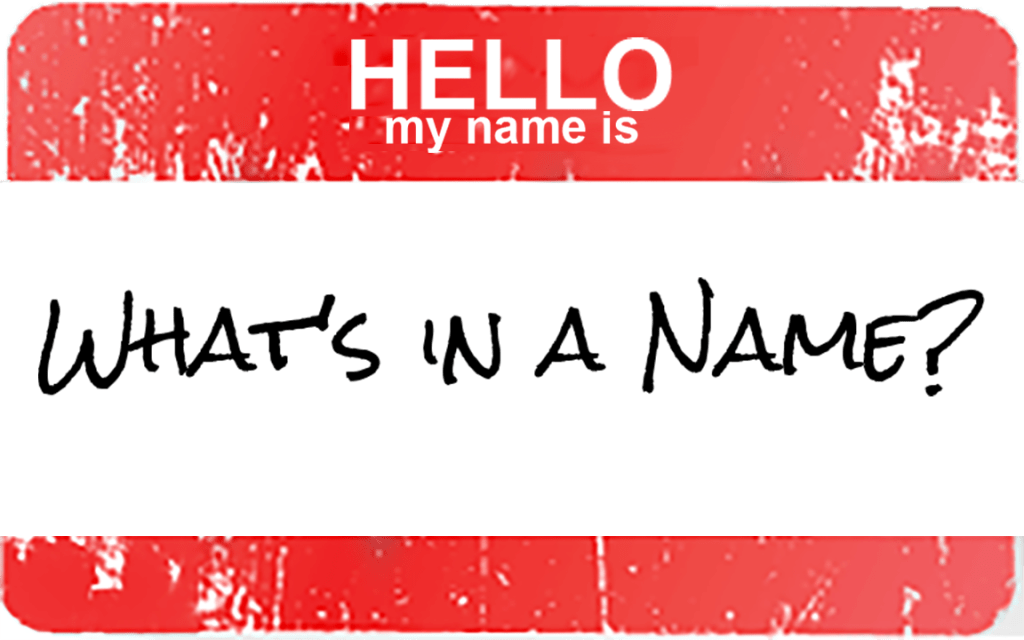
If you had to change your name, what would your new name be?

Names are fundamental to human identity. They are often the first label we receive, and they accompany us throughout our lives, playing a crucial role in how we perceive ourselves and how others perceive us. This post explores how names support one’s identity and the potential confusion that can arise when a person lacks a name.
Names as Identity Anchors
Names serve as anchors for our identity, providing a sense of individuality and belonging. From a young age, our names become intertwined with our sense of self. They are among the first words we recognize and respond to, and they help us distinguish ourselves from others. Names are a primary means through which we are recognized and remembered by others. In social interactions, names facilitate communication and foster personal connections, making them essential for building and maintaining relationships.
Cultural and Familial Significance
Beyond personal identity, names carry cultural, familial, and historical significance. They often reflect cultural traditions and familial heritage, linking individuals to their ancestry and community. For example, many cultures have naming conventions that honor relatives, historical figures, or cultural symbols. This connection to a larger cultural narrative helps individuals understand their place in the world and provides a sense of continuity and belonging.
Legal and Social Functions
In modern society, names are indispensable for legal identification and administrative purposes. They are used in official documents, records, and databases, ensuring that individuals can access essential services such as healthcare, education, and employment. Without a name, navigating these systems becomes nearly impossible, leading to significant challenges in functioning within society.
Emotional and Psychological Impact
The emotional and psychological impact of names is profound. Names can influence self-esteem and self-worth, with positive associations boosting confidence and negative ones potentially causing distress. Psychologist Carl Rogers emphasized the importance of being recognized and valued as an individual, and names are a critical part of this recognition. They affirm our existence and uniqueness, contributing to our overall mental well-being.
The Confusion of Namelessness
Without a name, a person’s identity can become confusing and fragmented. The absence of a name can lead to a loss of personal identity and social isolation. It can make it difficult for others to refer to or remember the person, hampering communication and social interaction. In legal and administrative contexts, the lack of a name creates barriers to accessing essential services and exercising rights, leading to further marginalization.
Case Studies and Examples
Consider historical and contemporary examples of namelessness. In some cultures, newborns are not named immediately, reflecting a belief in waiting until the child’s identity becomes more apparent. However, in cases where individuals are stripped of their names, such as in situations of slavery or human trafficking, the loss of a name is a deliberate attempt to dehumanize and control. Survivors of such experiences often describe the profound impact of losing their names and the subsequent struggle to reclaim their identity.
Additionally, names are more than mere labels; they are integral to our identity, providing a sense of individuality, cultural connection, and social recognition. They facilitate communication, legal recognition, and emotional well-being. Without a name, identity can become confusing and fragmented, leading to significant personal and social challenges. Understanding the importance of names helps us appreciate the profound role they play in shaping who we are and how we navigate the world.
Finally, names are a fundamental aspect of human identity, essential for personal, social, and legal recognition. They help us understand our place in the world and connect us to our cultural and familial heritage. Without a name, our identity can become unclear, leading to isolation and marginalization. Names are not just words; they are powerful symbols of our existence and individuality.





 Transform
Leave a reply to MindSnap Social Cancel reply