
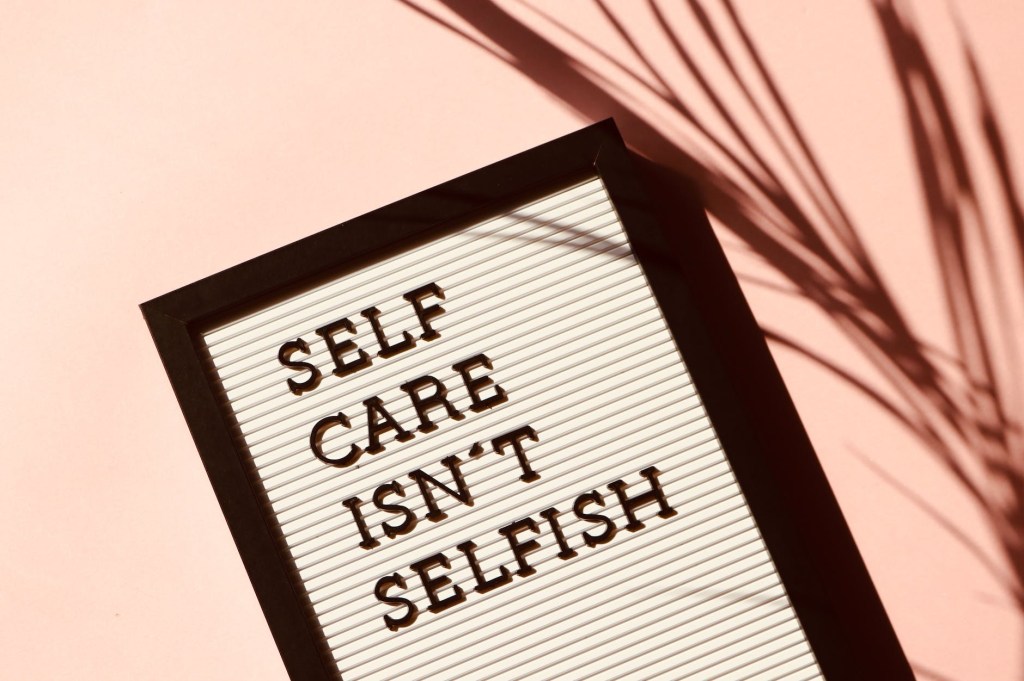
Societal Attitudes and Personal Perceptions
Throughout history, misconceptions about mental health have persisted in societies across the globe. Grasping these perceptions and their origins is critical to building a more understanding future.
In the past, due to a lack of medical knowledge, individuals with mental health challenges were often isolated or institutionalized. These actions stemmed from a deep-seated fear of the unknown. They were further compounded by cultural beliefs that mistakenly associated mental health issues with personal weaknesses or supernatural causes.
Today, these outdated views still linger. A basic human tendency is to be wary of what we don’t understand. When confronted with mental health complexities, this can lead to avoidance or negative judgments. Additionally, people often generalize behaviors, meaning if one person with a mental health issue acts a certain way, society may wrongly assume everyone with similar challenges behaves similarly, perpetuating damaging stereotypes.
The repercussions of such stigmas are significant. Societally, it can result in the sidelining of those with mental health issues, limiting their opportunities and overall well-being. Moreover, when setting priorities, mental health often takes a backseat, resulting in limited resources for research and public health initiatives.
On a personal level, fearing judgment can prevent many from seeking help, leading to untreated conditions and deteriorating mental health. Over time, these external societal judgments can become internalized, leading to feelings of self-doubt and lowered self-esteem.
To address this, education is crucial. Dispelling myths and providing accurate information about mental health can shift societal views. Sharing personal experiences can put a face to the issue, fostering more empathy and understanding. Moreover, making mental health services accessible and approachable can help normalize seeking aid.
Institutions, whether they are workplaces or schools, must also prioritize inclusivity. In environments where individuals feel secure and valued, open discussions about mental health can thrive.
In summary, addressing societal views on mental health is essential. Through targeted education, empathy, and inclusive practices, we can move towards a more understanding and supportive future for all.

 Transform
Leave a comment