
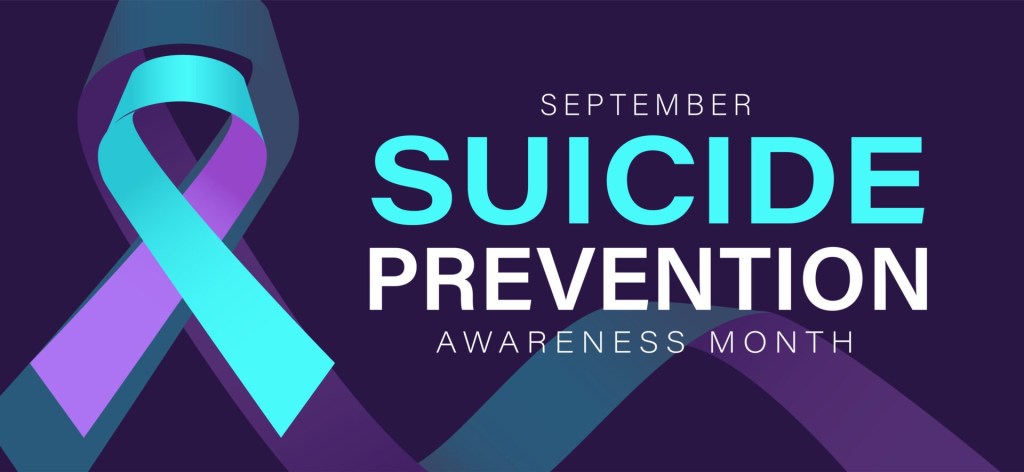
🆘 Disclaimer: This post delves into some intricate signs that might indicate a person’s struggle with suicidal thoughts. Having a graduate degree in psychology, I recognize the intricacies of mental health but always remember that every individual’s experience is unique. If someone’s well-being is of immediate concern, professional intervention is paramount.
Suicidal ideation doesn’t always present itself in overt or dramatic ways. Sometimes, the signs are subtle, only discernible with a keen eye and a deep understanding. Here’s a nuanced look at some indicators:
1. Mood Dysregulation: While sudden shifts in mood can be a telltale sign, long-term low mood, irritability, or emotional numbness can also indicate distress.
2. Communication Patterns: Beyond explicit expressions, it’s essential to listen for veiled despair, feelings of entrapment, or burdensomeness in their conversations.
3. Sleep Disturbances: Chronic insomnia or hypersomnia can both be indicators, sometimes linked with rumination or a heightened stress response.
4. Social Disconnection: It’s not just about withdrawing; changes in the quality of social interactions or feeling alienated, even in social settings, can be concerning.
5. Substance Use as Coping: Look beyond frequency to understand the intention. Using substances to escape or numb feelings can be a red flag.
6. Behavioral Peculiarities: This can range from uncharacteristic risk-taking to mundane acts like neglecting personal hygiene, indicating a diminished sense of self-worth.
7. Existential Crisis: Persistent ruminations on life’s purpose, existential dread, or feeling adrift can also be indicative.
8. Physiological Signs: Psychosomatic complaints, alterations in appetite, or heightened stress responses (like trembling or sweating in non-stressful situations) might hint at deeper emotional turmoil.
9. Decreased Future Orientation: A lack of plans, goals, or forward-looking anticipation can suggest hopelessness.
Armed with this knowledge, what can we do?
– Active Listening: Validate their feelings without judgment. Sometimes, just being heard can be healing.
– Gentle Encouragement: Propose professional help but understand the barriers and fears they might have towards seeking it.
– Stay Updated: Regularly update yourself with the latest findings and methods in suicide prevention and mental health support.
Resources:
Should you or someone you know require assistance, reach out to the national suicide hotline (988) ❤️


 Transform
Leave a comment