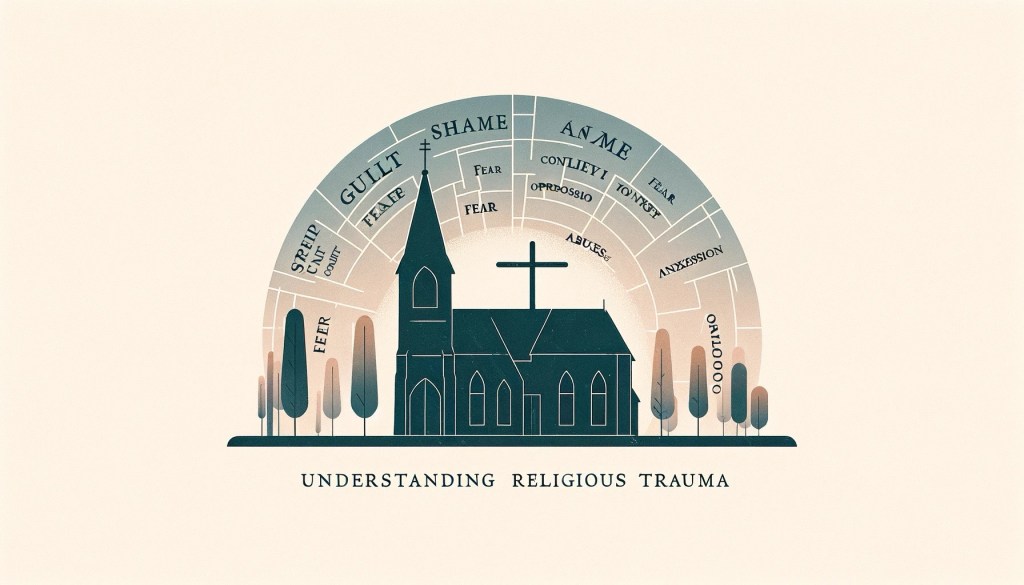
Religious Trauma and Abuse
Religious trauma and abuse can have profound and enduring effects on an individual’s mental and emotional well-being. This type of trauma can arise from various sources, including authoritative or dogmatic religious teachings, experiences of spiritual manipulation, or abusive behaviors justified by religious beliefs.
Individuals who have experienced religious trauma may struggle with feelings of guilt, shame, and fear, as well as a sense of betrayal or disillusionment with their faith community. In some cases, this trauma can lead to symptoms of anxiety, depression, post-traumatic stress disorder (PTSD), or difficulty trusting others.
Addressing religious trauma and abuse often requires a nuanced and specialized approach, integrating psychological support with considerations for the individual’s spiritual and cultural background. Providing a safe and non-judgmental space for individuals to process their experiences and explore their beliefs can be an important step towards healing and recovery.
It’s crucial for mental health professionals to be mindful of the unique dynamics at play in cases of religious trauma and abuse, and to approach these sensitive issues with empathy and understanding.
Symptoms of Religious Trauma and Abuse
Religious trauma and abuse can manifest in various ways, and individuals may experience a range of symptoms. Some common symptoms include:
- Anxiety and Fear: Persistent feelings of fear, anxiety, or dread related to religious beliefs or experiences.
- Guilt and Shame: Overwhelming sense of guilt and shame, often stemming from religious teachings or experiences.
- Depression: Persistent feelings of sadness, hopelessness, or loss of interest in activities once enjoyed, often linked to religious trauma.
- Low Self-Esteem: Negative self-perception influenced by religious teachings or experiences, leading to low self-esteem.
- Social Withdrawal: Difficulty in social interactions or isolating oneself due to fear of judgment or rejection based on religious beliefs.
- Loss of Identity: Confusion or distress related to personal identity, especially if it was heavily intertwined with religious beliefs.
- Fear of Punishment: Persistent fear of divine or spiritual punishment, leading to distress or irrational behaviors.
- Difficulty Trusting Others: Challenges in forming and maintaining trusting relationships due to prior religious trauma or abuse.
It’s important to note that these symptoms can significantly impact an individual’s mental and emotional well-being, and seeking professional help from therapists or counselors experienced in religious trauma can be beneficial.
Religious Trauma and Mental Health
For individuals grappling with the complexities of religious trauma and its effects on mental health, seeking guidance and support can be pivotal. Exploring the intersection of religion and mental well-being can shed light on the unique challenges individuals may face and the potential pathways to healing.
The link you provided offers valuable insights into this intersection, addressing the multifaceted dynamics of religion and its impact on mental health. Navigating religious trauma and its repercussions often necessitates a comprehensive and empathetic approach, one that acknowledges the intricacies of individual experiences and personal beliefs.
By engaging with resources such as those found within the “Religion and Mental Health” category on mindsnapocial.com, individuals can gain a deeper understanding of the complexities involved and access support tailored to their specific needs. This inclusive approach can pave the way for healing, resilience, and holistic well-being.
If you or someone you know is navigating the challenges of religious trauma and mental health, the insights shared within this category may serve as a beacon of understanding and guidance, fostering a sense of empowerment and hope along the journey toward healing.
 Transform