
The First Time I Thought About Writing a Book

I remember the moment I first thought about writing a book. It didn’t arrive as an ambition or a career idea. It arrived as pressure, an internal insistence that something needed to be said, and that maybe I was the one who had to say it.
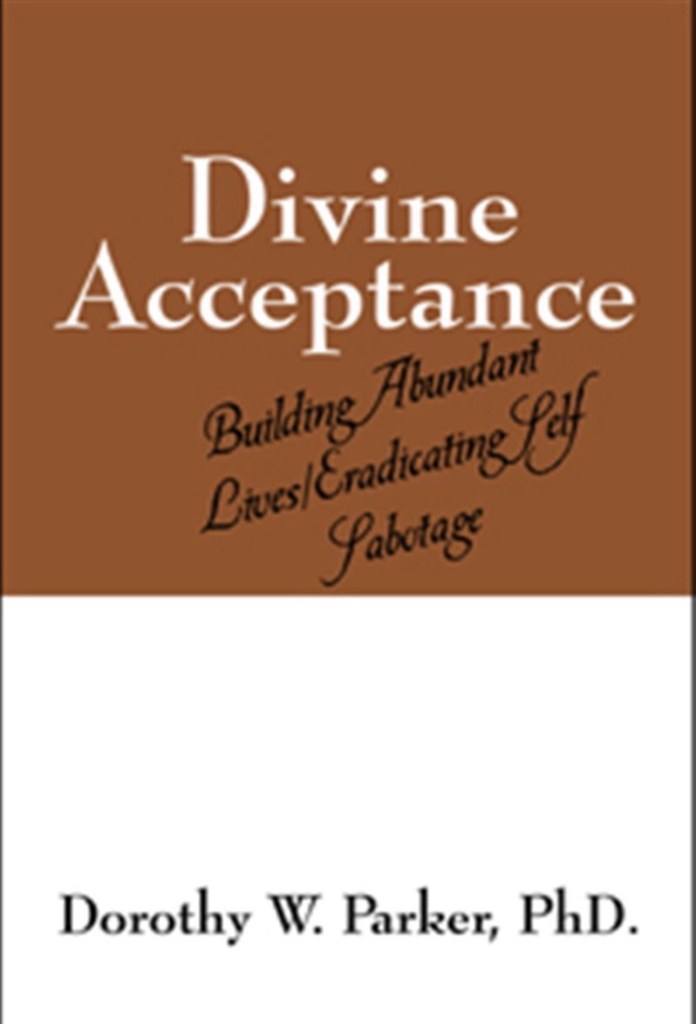
At the time, I was convinced I was being called by God to challenge how rigid people had become about who God loves. I wasn’t trying to dismantle belief systems; I thought I was defending God from the smallness of human interpretation. The book became Divine Acceptance: Building Abundant Lives, Eradicating Self-Sabotage, though I don’t think I understood then how much of it was actually about me trying to survive my own questions.
What I remember most clearly isn’t the writing, it’s the fear. The fear of being wrong. The fear of being judged by religious family. The fear that once my beliefs were printed, they would no longer be safely private. Writing that book felt like a kind of exposure, even though I didn’t yet have language for that.
I didn’t feel like I chose my beliefs. They felt like something that moved through me, something that insisted on being acknowledged. That book wasn’t a declaration of certainty. It was more like a threshold, one I crossed without knowing where it would lead.
Looking back, I can see that my first book functioned as a kind of belief coming-out story. I didn’t call it that then, but that’s what it was. It was me saying, quietly but publicly, “This is where I stand right now, even if it costs me something.”
I didn’t trust that I was allowed to change my mind. I didn’t know yet that belief could be provisional, responsive, alive. At the time, publishing felt like freezing myself in place, as if the version of me who wrote that book would have to stand forever as evidence.
That pressure shaped the writing. I tried to sound confident. I tried to anchor myself in certainty. I thought clarity meant being unmovable. But underneath it all was a much simpler truth: I was trying to be honest without being abandoned.

There’s something tender about that version of me. Someone who was brave enough to speak, even while afraid of the consequences. Someone who thought defending God was the task, before realizing later that God didn’t need defending, only clearer listening.
Since that first book, I’ve written at least thirty more. Some have been published. Others are still waiting. I don’t experience that as failure or hesitation, it feels more like discernment that matured over time.
Lately, I’ve been thinking about revisiting that first book. Not to disown it, and not to correct it in an argumentative way, but to acknowledge how much has shifted. My beliefs have changed, not because I betrayed something true, but because I stayed in relationship with what kept evolving.
The working title that keeps surfacing is Coming Out of the Closet: Setting the Record Straight.
Not as a confrontation, but as a contextualization. A way of saying: this is who I was, this is who I became, and neither version needs to be erased.
There’s something grounding about letting the record reflect movement instead of pretending coherence has always been linear. I’m not sure yet what form that revision will take, or whether it will even become a book. For now, it’s enough to notice the impulse, and to recognize that the desire to revisit isn’t about regret, but integration.
Sometimes growth doesn’t ask us to move forward faster. Sometimes it asks us to turn around gently and acknowledge where we started.
Coming up next:
“Owning Your Beliefs Without Turning Them Into a Badge”



 Transform
Leave a comment