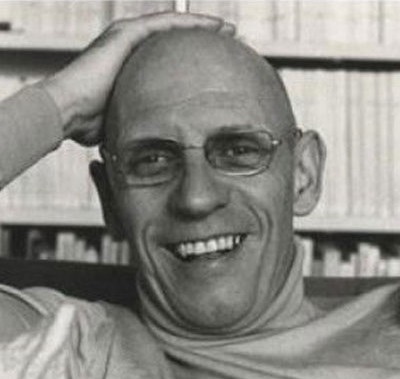

The concept of political spirituality is most closely associated with the work of French philosopher Michel Foucault. Foucault introduced the idea in the context of his analysis of power, resistance, and the role of spirituality in political movements, particularly in his lectures and writings during the late 1970s and early 1980s.
Foucault’s notion of political spirituality emerged during his study of the Iranian Revolution of 1979. He used the term to describe how the revolutionaries combined political activism with a spiritual dimension that went beyond mere ideology or secular politics. For Foucault, political spirituality represented a form of resistance that intertwined deeply held spiritual beliefs with political action, challenging the traditional separation between religion and politics in modern Western thought.
Foucault’s theory of political spirituality is part of his broader critique of power structures and his interest in how individuals and groups resist dominant power systems. He was particularly interested in how spirituality could serve as a form of resistance that operates outside the usual frameworks of political ideology and state power.
Thus, while political spirituality as a concept can be interpreted and applied in various ways, its theoretical roots are largely traced back to Foucault’s reflections on the interplay between power, politics, and spiritual life.
Modern Day Political Spirituality
Political spirituality in modern-day politics often manifests as the infusion of spiritual or ethical values into political discourse and action. It reflects a growing trend where individuals, movements, and sometimes governments draw on spiritual or religious principles to address contemporary political challenges, such as social justice, environmental crises, and human rights issues. Here are some ways political spirituality is evident in today’s politics:
1. Social Justice Movements:
Black Lives Matter (BLM): The BLM movement, while primarily political, has elements of political spirituality, particularly in its emphasis on healing, community care, and collective upliftment. Many activists within the movement draw on spiritual traditions to sustain their efforts and build resilience against systemic injustice.
Environmental Activism: Movements like the Green New Deal and Extinction Rebellion often incorporate spiritual elements, emphasizing the sacredness of the Earth and the moral responsibility to protect it. Indigenous spiritualities, which see humans as caretakers of the Earth, play a significant role in shaping these environmental movements.
2. Faith-Based Political Engagement:
Religious Leaders in Politics: Figures like Pope Francis have been vocal in addressing global issues such as climate change, poverty, and migration, framing these as moral and spiritual crises that require political action.
Progressive Evangelicals: In the United States, some evangelical groups advocate for issues like immigration reform, racial justice, and environmental stewardship, grounding their political activism in Christian ethics.
3. Interfaith and Ecumenical Initiatives:
Interfaith Alliances: Various interfaith groups work together on political issues like peacebuilding, economic justice, and human rights, bringing diverse spiritual perspectives to the political arena. These alliances often aim to transcend religious divisions to address shared concerns through a spiritual lens.
The Parliament of the World’s Religions: This global interfaith organization advocates for social justice, environmental protection, and peace, emphasizing the role of spiritual and moral values in shaping political discourse and policy.
4. Grassroots and Community Movements:
Liberation Theology: In Latin America and beyond, liberation theology continues to inspire grassroots movements that seek to address poverty and social inequality through a combination of spiritual faith and political activism.
Community Organizing: Many community organizations, particularly in marginalized communities, integrate spiritual practices into their organizing efforts, recognizing the role of spirituality in sustaining collective action and resilience.
5. Political Rhetoric and Leadership:
Moral and Ethical Leadership: Some political leaders frame their policies and decisions in terms of moral and spiritual values, appealing to a sense of higher purpose or collective good. This can be seen in speeches that invoke themes of justice, compassion, and responsibility.
Public Discourse: The language of political spirituality is often present in public discourse, especially in discussions about moral and ethical responsibilities in areas such as healthcare, social welfare, and global peace.
In modern-day politics, political spirituality serves as a bridge between the personal and the collective, the sacred and the secular, offering a way to address complex issues through a lens of moral and spiritual responsibility. It challenges purely materialistic or technocratic approaches to politics, advocating instead for a holistic view that considers the ethical and spiritual dimensions of political life.


 Transform
Leave a comment