
Before the internet I was always in the streets, visiting family and friends. The landline phone had a desinated space with an extremely long cord, which gave the illusion of a cordless phone.
The cord reached outside so you could sit on the porch and talk, which was a conditioning tactic to prepare us for cell phones. By the time the internet came along we had already been conditioned for its use.
The internet, as we know it today, began to take shape in the late 1960s and early 1970s. It evolved from ARPANET (the Advanced Research Projects Agency Network), which was developed by the U.S. Department of Defense. ARPANET was the first network to implement the TCP/IP protocol suite, which is the foundation of the modern internet.
Before the widespread adoption of the internet, life was quite different in several ways:
People relied on landline telephones, letters, and face-to-face interactions. Long-distance communication was slower and more expensive, do we piled in our cars and drove to meet up with our family and friends.
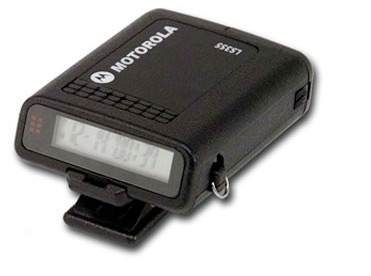
I had several beepers, known as pagers. They played a significant role in communication before the widespread use of mobile phones and the internet. Here are some points about beepers:
Beepers were used primarily for sending short messages. They became popular in the 1980s and 1990s, especially among professionals like doctors, emergency responders, and businesspeople.
A typical pager could receive a numeric or alphanumeric message. For numeric pagers, the user would get a number to call back. Alphanumeric pagers could display a short text message. When got beeped you found a pay phone and returned the call.
Beepers were valued for their reliability, as they used radio signals that could penetrate buildings and cover wide areas. This made them an essential tool for those needing to be reachable at all times.
Beepers were a precursor to mobile phones, providing a way for people to stay connected and reachable even when away from a landline phone.
Users could subscribe to a paging service, and when someone needed to contact them, they would call the pager number, leave a message with an operator, or use a touch-tone phone to send a numeric message directly.
Beepers were an essential part of communication infrastructure before the internet and mobile phones became ubiquitous, helping bridge the gap between landline phones and the mobile communication we rely on today.
Additionally, lbraries, encyclopedias, newspapers, and magazines were primary sources of information. Research and obtaining information required more time and effort.
Television, radio, books, and physical media like records, tapes, and VHS cassettes were the main forms of entertainment. People would gather around the TV at specific times to watch their favorite shows.
Shopping was done in physical stores. Mail-order catalogs were another option, but the process was slower and less convenient than online shopping today.
Furthermore, socializing was primarily done in person, through phone calls, or by writing letters. Community events and gatherings played a significant role in social life.
Work and education were largely confined to physical locations like offices, factories, and schools. Remote work and online education were not common.
Overall, life before the internet was more localized, with slower communication and information dissemination, and a greater reliance on physical media and face-to-face interactions.
Do you remember life before the internet?




 Transform
Leave a comment