
We live in an extremely heated political climate, which will worsen as the election cycle closes in November. “The rhetoric and division in our country is having a negative impact on the mental well-being of the American people.” Coming out of a global pandemic and insurrection has gotten everyone on edge.
If you don’t set boundaries in your life, you will get caught in the heat of the climate. This is the best time to understand your political views, set boundaries, and not get caught in the back and forth. This is a season in our history where anything can ignite civil unrest.
Knowing how to set boundaries in your life, on your job, and social media is the key to maintaining your mental and emotional well-being. It’s important to remember that everyone is entitled to their own opinions and beliefs, but that doesn’t mean you have to engage in every political argument or debate that comes your way.
Firstly, take the time to truly understand your political views. Educate yourself on the issues that matter most and form your opinions based on facts and reliable sources. This will help you feel more confident and better equipped to articulate your beliefs when necessary.
Next, set boundaries in your personal life. This means being selective about your discussions with friends, family, and coworkers. While healthy debate can be beneficial, it’s crucial to recognize when a conversation is becoming toxic or unproductive. Learn to gracefully exit these situations and redirect the conversation towards more positive topics or areas of common ground.
Setting boundaries on your job is equally important. Remember that political discussions can easily escalate and disrupt the workplace environment. If you find yourself in a situation where political conversations are becoming heated or divisive, politely redirect the conversation to work-related matters or suggest discussing the topic outside of working hours.
Social media can be a breeding ground for political tensions. It’s essential to set boundaries here as well. Consider limiting your exposure to political content by unfollowing or muting accounts that consistently post inflammatory or triggering content. Additionally, please think twice before engaging in online debates, as they often lead to more frustration and division than productive dialogue.
By setting boundaries in all aspects of your life, you can protect your mental and emotional well-being during this politically charged time. Remember, it’s okay to prioritize your own mental health and disengage from discussions that are not serving you. Instead, focus on finding common ground, fostering understanding, and engaging in constructive conversations to promote unity and progress.
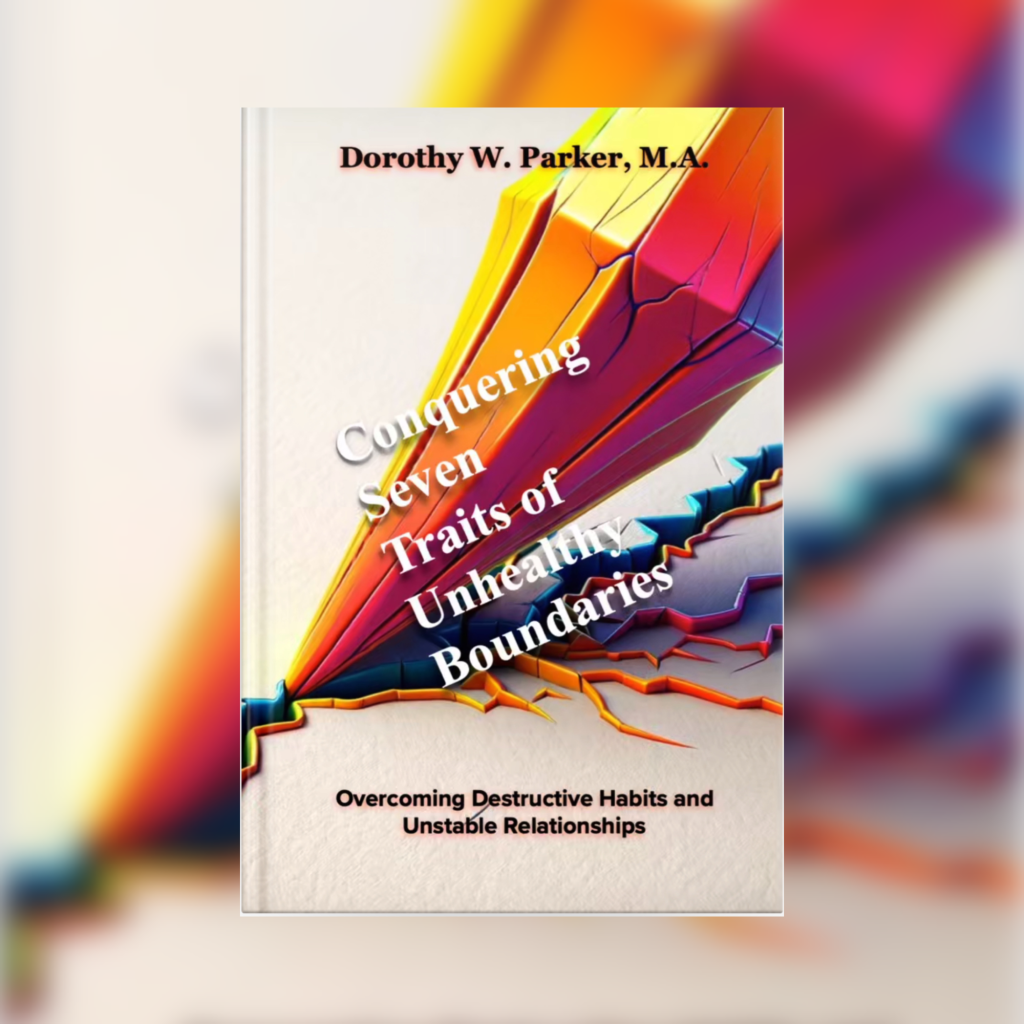
If you need assistance setting healthy boundaries, please visit my official website, dorothywparker.com. You can access my workbook “Conquering Seven Traits of Unhealthy Boundaries: Overcoming Destructive Habits and Unstable Relationships.” This workbook offers practical guidance on overcoming negative habits and building healthy relationship boundaries. It can be a valuable tool for anyone seeking to improve communication skills and create more fulfilling relationships. Please don’t hesitate to explore this resource if you think it could be helpful to you.
Exert from my book:
Reactive Boundaries
The chaos we experience in the world sometimes stems from unhealthy boundaries that we have failed to establish. Instead, our boundaries often react to the unhealthy environment we encounter daily.
Reactive boundaries are formed as a response to our negative experiences. They serve as a protective shield to prevent us from experiencing similar pain or discomfort again. These boundaries may manifest as emotional walls, keeping others at a distance, or as a tendency to avoid certain situations altogether.
On the other hand, proactive boundaries are consciously established to ensure our well-being and maintain healthy relationships. They are rooted in self-awareness and self-respect, allowing us to communicate our needs, desires, and limits to others.
Proactive boundaries empower us to make choices that align with our values and prioritize our mental, emotional, and physical health.
However, it is important to recognize that setting boundaries is not easy, especially if we have never been taught how to do so. Many of us may struggle with guilt, fear of rejection, or believe we are selfish when asserting our boundaries. These internal conflicts can lead to a cycle of unhealthy boundaries, perpetuating the chaos in our lives.
To break free from this cycle, developing a deep understanding of ourselves, our values, and our needs is crucial. Taking the time to reflect on our past experiences and identifying patterns of unhealthy boundaries can provide valuable insights. By acknowledging the impact of unhealthy boundaries on our well-being, we can begin to take proactive steps toward setting healthier boundaries.
Setting boundaries requires open and honest communication with others. It involves respectfully expressing our needs and limits while also being receptive to the boundaries of those around us. It is a continuous process of self-discovery and growth as we learn to navigate the complexities of relationships and find a balance that promotes mutual respect and understanding.
By establishing healthy boundaries, we can create a sense of stability and inner peace amidst the world’s chaos. We regain control over our lives, allowing us to focus on what truly matters to us and cultivate meaningful connections. Setting and maintaining boundaries can help us reclaim our power and create a healthier, more harmonious existence.
Excerpt From
Conquering Seven Traits of Unhealthy Boundaries: Overcoming Destructive Habits and Unstable Relationships
Dorothy W. Parker, M.A
This material is protected by copyright.



 Transform
Leave a comment