
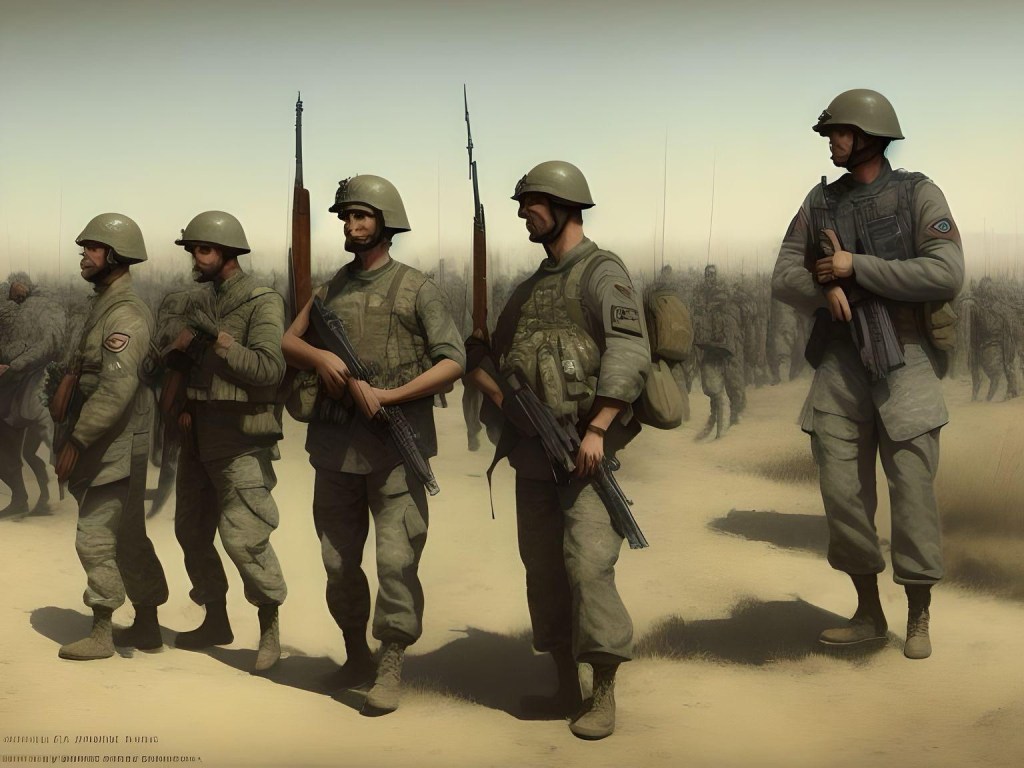
The Israel-Palestine conflict is a longstanding and complex issue that has defied resolution for over a century. A sociological examination of this conflict reveals a web of interrelated factors spanning historical, identity-based, resource-related, and sociocultural dimensions. Understanding the root causes and dynamics of the conflict requires a holistic approach that considers these multifaceted sociological factors.
Historical Roots:
To comprehend the Israel-Palestine conflict, it is essential to delve into its historical origins. The conflict’s historical backdrop includes the British Mandate, the 1948 Arab-Israeli war, and subsequent conflicts. These historical events have left deep imprints on the collective memory of Israelis and Palestinians, shaping their respective narratives and fueling grievances.
Identity and Nationalism:
Identity plays a pivotal role in this conflict. Israelis and Palestinians hold strong nationalistic sentiments, and sociologists examine how these identities have been constructed, reinforced, and pitted against each other. Nationalism contributes to the perpetuation of the conflict as each side seeks to assert its right to self-determination and statehood.
Resource Scarcity:
Resource scarcity, particularly competition over land and water, is another crucial sociological factor in the Israel-Palestine conflict. As populations grow and resources become scarcer, tensions rise. Sociologists investigate how resource scarcity exacerbates conflicts and shapes the power dynamics between the parties involved.
Social Movements:
Numerous social movements within Israel, Palestine, and internationally have influenced the conflict. These movements have played roles in shaping public opinion, mobilizing support, and influencing policy decisions. A sociological analysis considers how these movements impact the conflict’s trajectory.
Media and Propaganda:
Media and propaganda are powerful tools that shape public perception and influence the conflict. Sociologists explore how media portrayals and information dissemination contribute to polarization and the perpetuation of stereotypes and biases.
Occupation and Displacement:
The Israeli occupation of Palestinian territories and the displacement of Palestinians have profound sociological implications. Researchers examine how occupation affects social structures, family life, and the mental health of Palestinians, as well as how it influences Israeli society.
Religion and Culture:
Religion, particularly Judaism and Islam, plays a significant role in the conflict. Sociologists investigate how religious beliefs and cultural factors influence the attitudes and behaviors of individuals and groups involved, sometimes exacerbating tensions or serving as a basis for peace initiatives.
International Relations:
The involvement of various international actors in the Israel-Palestine conflict adds another layer of complexity. Governments, NGOs, and international organizations influence the conflict’s dynamics through diplomatic efforts, aid, and political pressure. Sociologists analyze how global politics and interventions shape the conflict.
Education and Socialization:
Education and socialization within Israeli and Palestinian societies also have sociological dimensions. Sociologists study how education perpetuates or challenges stereotypes, prejudices, and attitudes related to the conflict, potentially shaping future generations’ perspectives.
Social Inequality:
Social inequalities within Israeli and Palestinian societies, such as economic disparities and unequal resource access, contribute to grievances and tensions. Sociologists investigate these disparities and their role in perpetuating the conflict.
The Israel-Palestine conflict is a deeply intricate issue with profound sociological dimensions. Analyzing it requires a comprehensive examination of historical, identity-based, resource-related, and sociocultural factors, as well as their interactions. A holistic sociological approach offers insights into the root causes and perpetuation of the conflict, providing a foundation for informed discussions and potential pathways to resolution. Ultimately, addressing the Israel-Palestine conflict necessitates a nuanced understanding of its sociological complexities.



 Transform
Leave a comment