
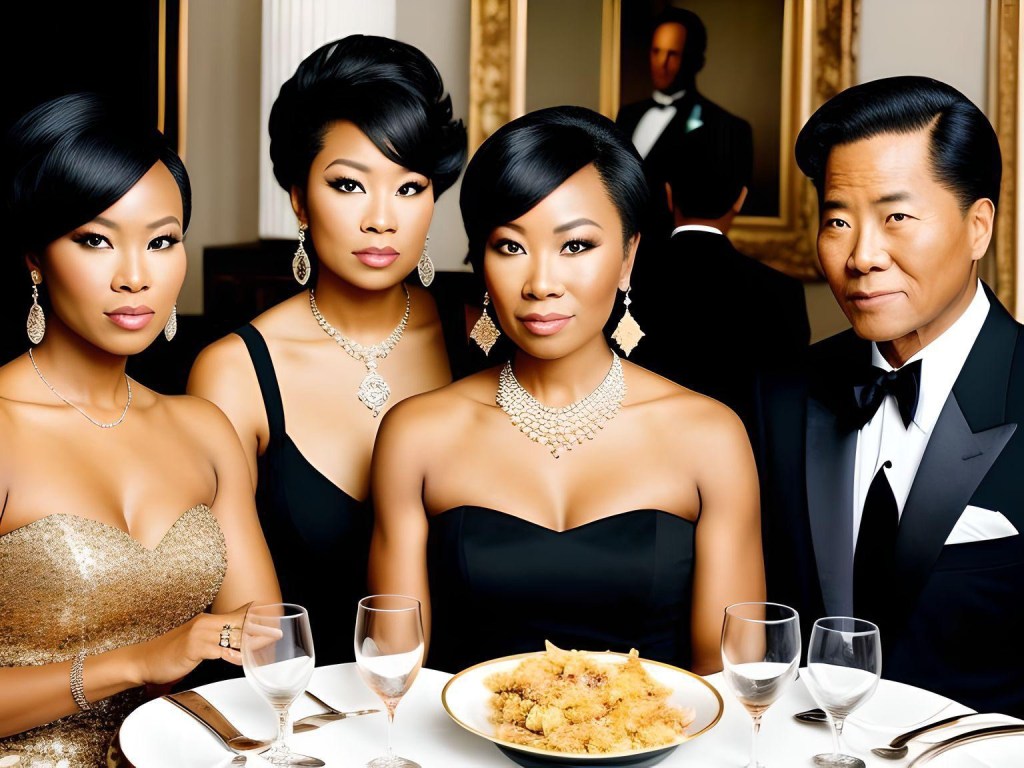
The culture of high society is a complex and multifaceted phenomenon that often revolves around a privileged and affluent class of individuals. This social stratum is characterized by a set of distinct norms, values, and behaviors that distinguish it from other segments of society.
One hallmark of high society is its exclusive nature. Members of this elite class frequently participate in events and gatherings inaccessible to the general public. These occasions, such as extravagant galas and private parties, serve as opportunities for networking and socializing with like-minded individuals of influence.
Fashion and style are paramount in high society circles. Dressing in designer clothing adorned with high-end accessories and meticulous grooming are the norm. Appearance is not just about personal expression but also a symbol of status and sophistication.
Etiquette is another cornerstone of high society culture. There exist stringent rules of conduct that dictate how individuals should interact with one another. Rules include everything from addressing others with the utmost respect to adhering to impeccable table manners.
Philanthropy is a common pursuit among high-society members. Many engage in charitable activities and fundraising efforts for various causes. These philanthropic endeavors not only showcase their social responsibility but also enhance their standing within their exclusive circles.
A commitment to education, the arts, and cultural pursuits is prevalent. High-society individuals often hold memberships in prestigious clubs, museums, and cultural institutions. They actively support and engage in these intellectual and artistic endeavors.
Networking is a vital aspect of high society. Building and nurturing social connections is not only a social endeavor but often serves pragmatic purposes, such as advancing one’s career or political ambitions.
Ownership of wealthy homes, yachts, and other lavish possessions is a common aspiration and status symbol within high society. These material possessions serve as tangible markers of success and affluence.
The culture of high society, while alluring to some, also faces criticism and scrutiny due to its exclusivity and the perpetuation of social inequality. It is a realm where wealth and privilege often collide with questions of ethics and fairness.




 Transform
Leave a comment