
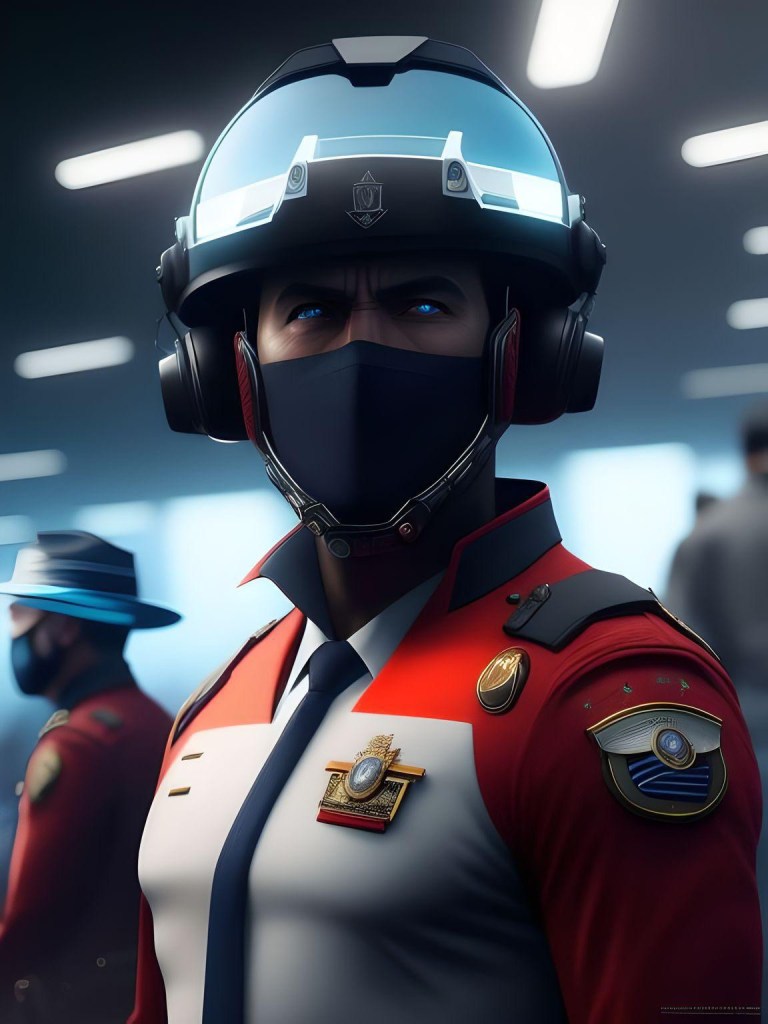
Social Science Fiction (SSF) is a subgenre of science fiction that emphasizes societal, anthropological, and cultural elements rather than the technological or hard scientific aspects typically associated with the genre. This form of writing has been instrumental in exploring various “what if” scenarios related to human societies, ethics, politics, and interpersonal relationships.
Characteristics of Social Science Fiction:
1. Focus on Society:
The primary differentiator between SSF and other subgenres is its central concern with the human condition, societal structures, and cultural norms.
2. Speculative Settings:
These stories often present alternate societies or futures that challenge our perceptions and beliefs.
3. Character-Driven Narratives:
While technology might play a role, the central conflicts often revolve around individuals or groups within a society.
4. Themes of Social Commentary:
SSF often delves into critical examinations of contemporary issues, extrapolating them to their logical or illogical conclusions.
Notable Works and Authors:
Ray Bradbury: His iconic novel “Fahrenheit 451” imagines a future where books are outlawed, leading to a society devoid of critical thinking.
Ursula K. Le Guin: Her Hainish Cycle, especially “The Left Hand of Darkness” and “The Dispossessed,” explores gender, society, and anarcho-syndicalism on alien worlds.
Margaret Atwood: “The Handmaid’s Tale” is a cautionary tale about religious extremism and the subjugation of women.
Why Does SSF Matter?
SSF offers a lens through which we can view and critique our current society. By imagining different societal constructs or amplifying existing issues, SSF prompts readers to question the status quo, explore alternate ways of living, and understand the societal implications of our actions.
Social Science Fiction bridges the imaginative world of science fiction and the tangible, everyday realities of societal and cultural issues. It’s a reminder that the core of every great sci-fi story is inherently human, focusing on our struggles, triumphs, fears, and hopes for the future.



 Transform
Leave a comment